Technology can distract us or help us grow. Kavaná is our choice to use it for good: making room for prayer, Torah learning, and focus in everyday life. Meet the people and ideas behind that choice.
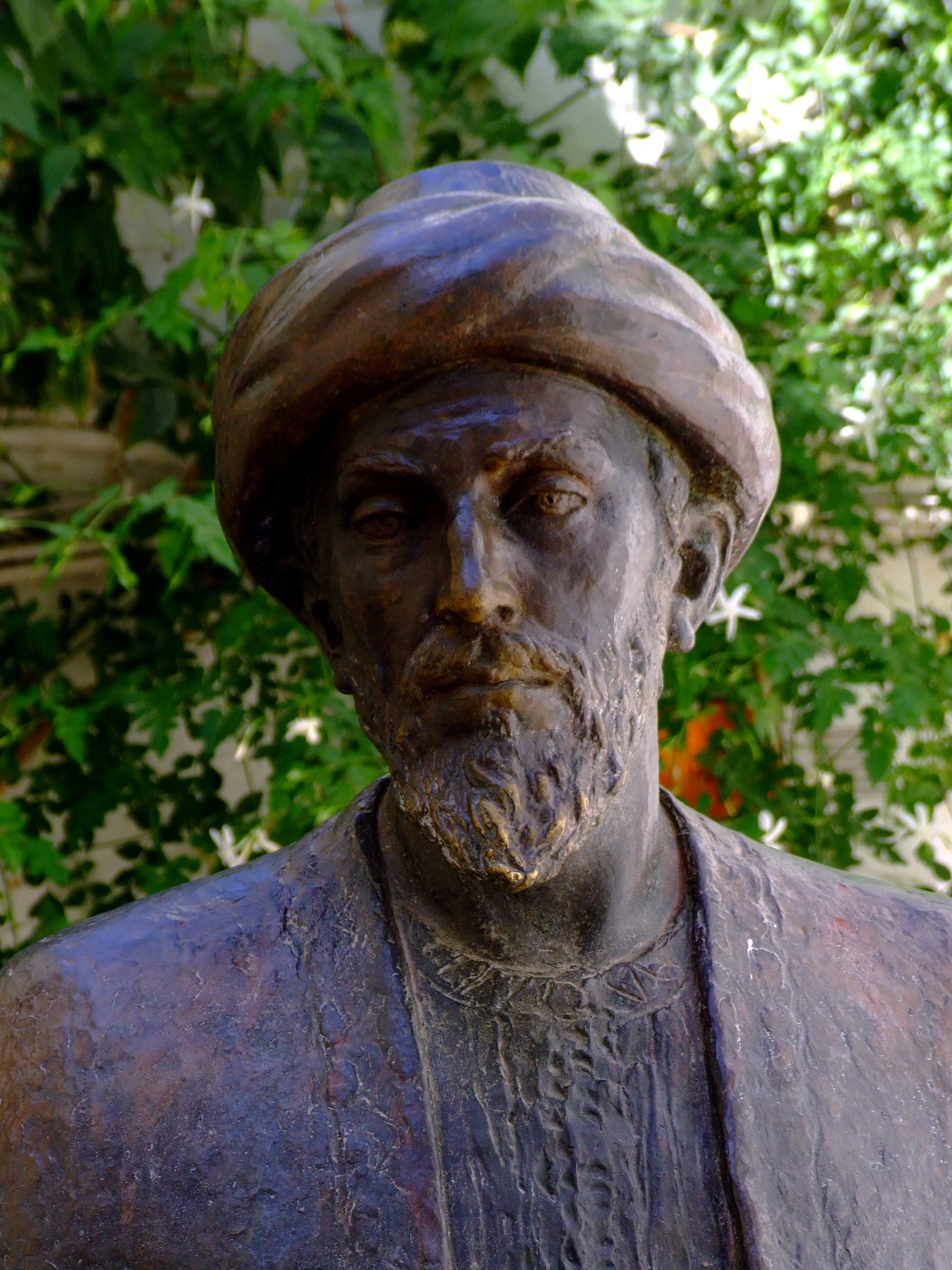
Sculpted portrait of Rambam
SCIENCE, ASTRONOMY, AND THE JEWISH DAY
Rambam
Rabbi Moshe ben Maimon · Maimonides
Rambam teaches that contemplating the natural world can deepen our love and awe of G‑d. His writings explore nature, the heavens, and the mathematics of the Jewish calendar. In his laws of the new moon, he values astronomy and geometry grounded in sound reasoning.
That is why Kavaná's daily times and Jewish calendar are dedicated to Rambam. The movement of the sun helps determine prayer times; the moon is central to the Jewish months. For us, his approach is an invitation to study physics, science, and astronomy—and bring that understanding into everyday Jewish life.
His teachings also inspire us to participate in ordinary life and care for the body: live in the world with knowledge and intention.
Kavaná's use of technology is dedicated to the Lubavitcher Rebbe. Technology can be used for good or harm; he inspires us to use it to spread Torah, mitzvot, and goodness.
That is the purpose behind Kavaná: turn the phone in your hand into a tool for prayer, Jewish learning, and focus. Use technology with intention, and bring Judaism into everyday life with warmth and a positive attitude.
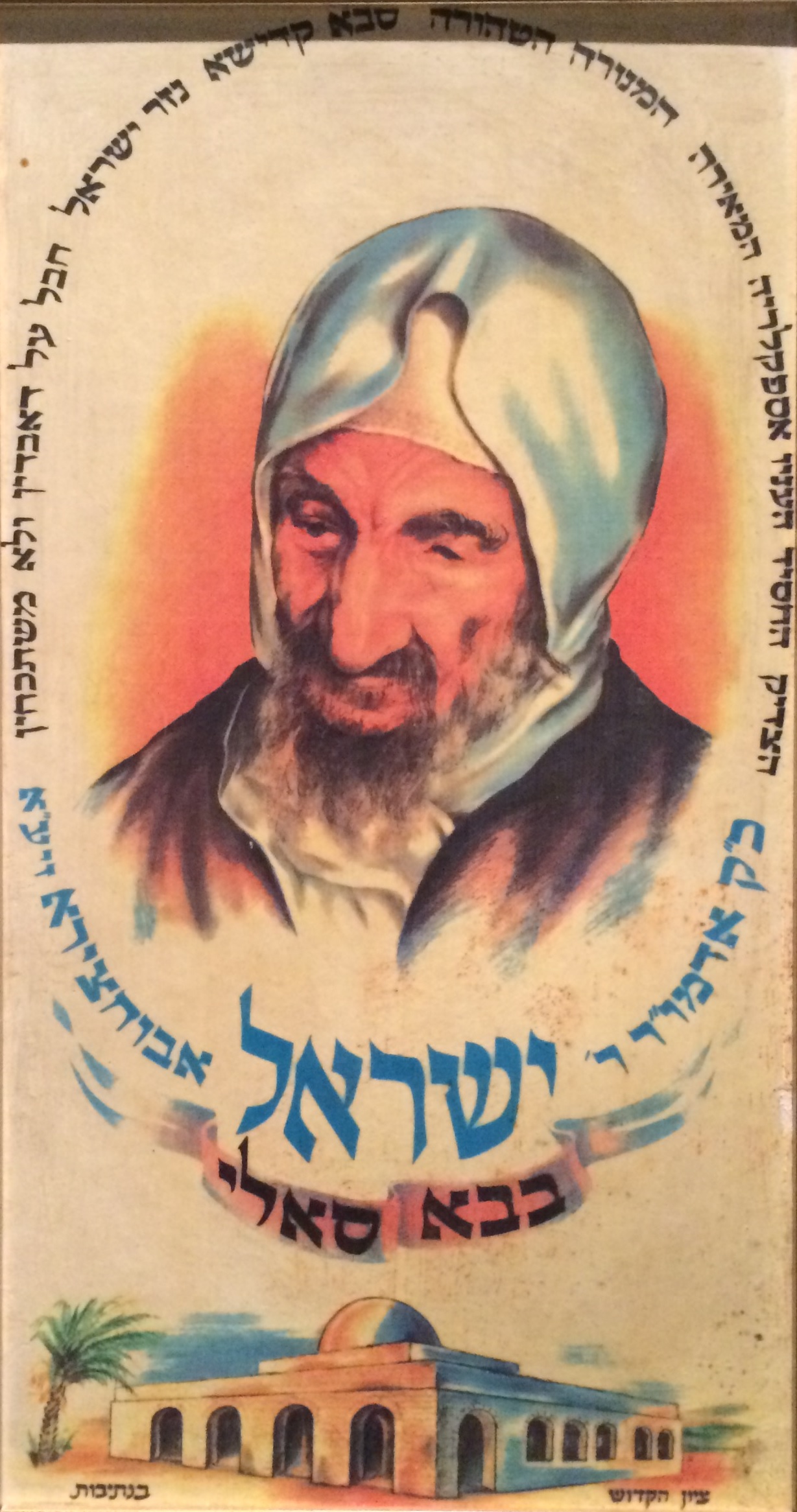
Baba Sali's devotion to prayer, Torah, and helping others is an inspiration rooted in Jewish tradition.
Screen blocking in Prayer Mode is dedicated to Baba Sali. For Kavaná, his devotion inspires care with what we take in: guard your eyes and ears, choose what you watch and listen to, and protect time for prayer. Prayer Mode helps you put chosen distractions aside.
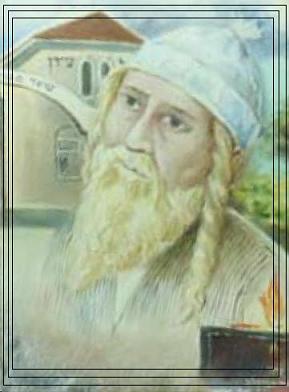
Rabbi Nachman teaches hitbodedut: setting aside time to speak to G‑d personally, in your own words and familiar language. Prayer can hold the ordinary details of your life—gratitude, worries, hopes, and what is on your heart.
Our siddur is dedicated to Rabbi Nachman, with his emphasis on a living relationship with G‑d. The written prayers give you words to begin with; hitbodedut invites your own voice alongside them. His teaching on joy encourages us to keep returning with hope.
Solar events are calculated from the date, latitude, and longitude. Prayer times are derived from those events using the conventions documented in the calculation guide.
Solar model and formulas
The guide documents the solar equations, website defaults, GRA and MGA formulas, and numerical examples from the website’s calculation engine.
Calculation conventions
GRA and MGA use different definitions of the day. Dawn, nightfall, elevation, and Shabbat offsets can also differ. The iPhone app offers additional calculation settings.
We’re currently training an open-weight model for halachic questions within Orthodox Judaism. We’re starting with straightforward questions rooted in widely accepted halachic principles.
Our aim is to explain the reasoning behind an answer and point to its sources, so you can understand and continue learning. Where customs differ or a question depends on personal circumstances, the guidance should make that clear and direct you to your rabbi.
This model is still in development. Rav is a learning companion; personal halachic decisions belong with a qualified rabbi.
A practice for everyday life.
Live in the world with intention. See the spark in others. Guard your eyes and ears. Speak personally to G‑d. Care for your body. Kavaná brings those intentions back to a simple daily practice: prayer you can understand, the Jewish day's times, and a little room to focus.
Rabbi Nachman: traditional illustration, artist unknown, Wikimedia Commons, public domain. Historical illustrations and sculptures are representations, not photographs from their subjects' lifetimes.